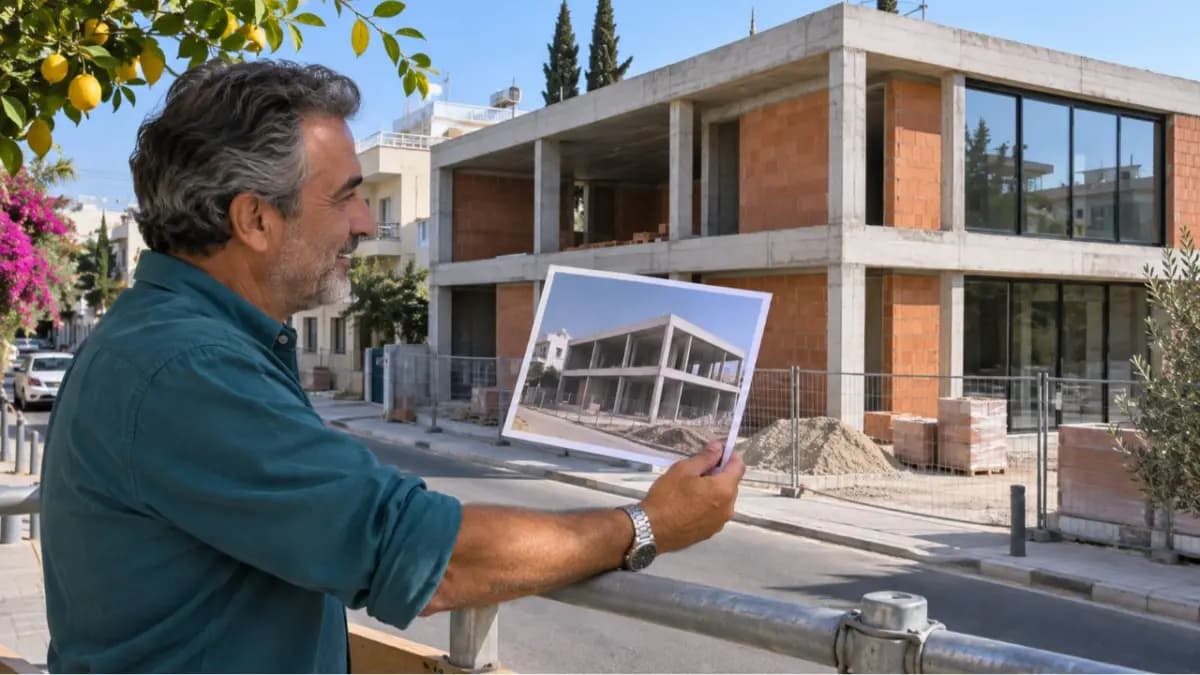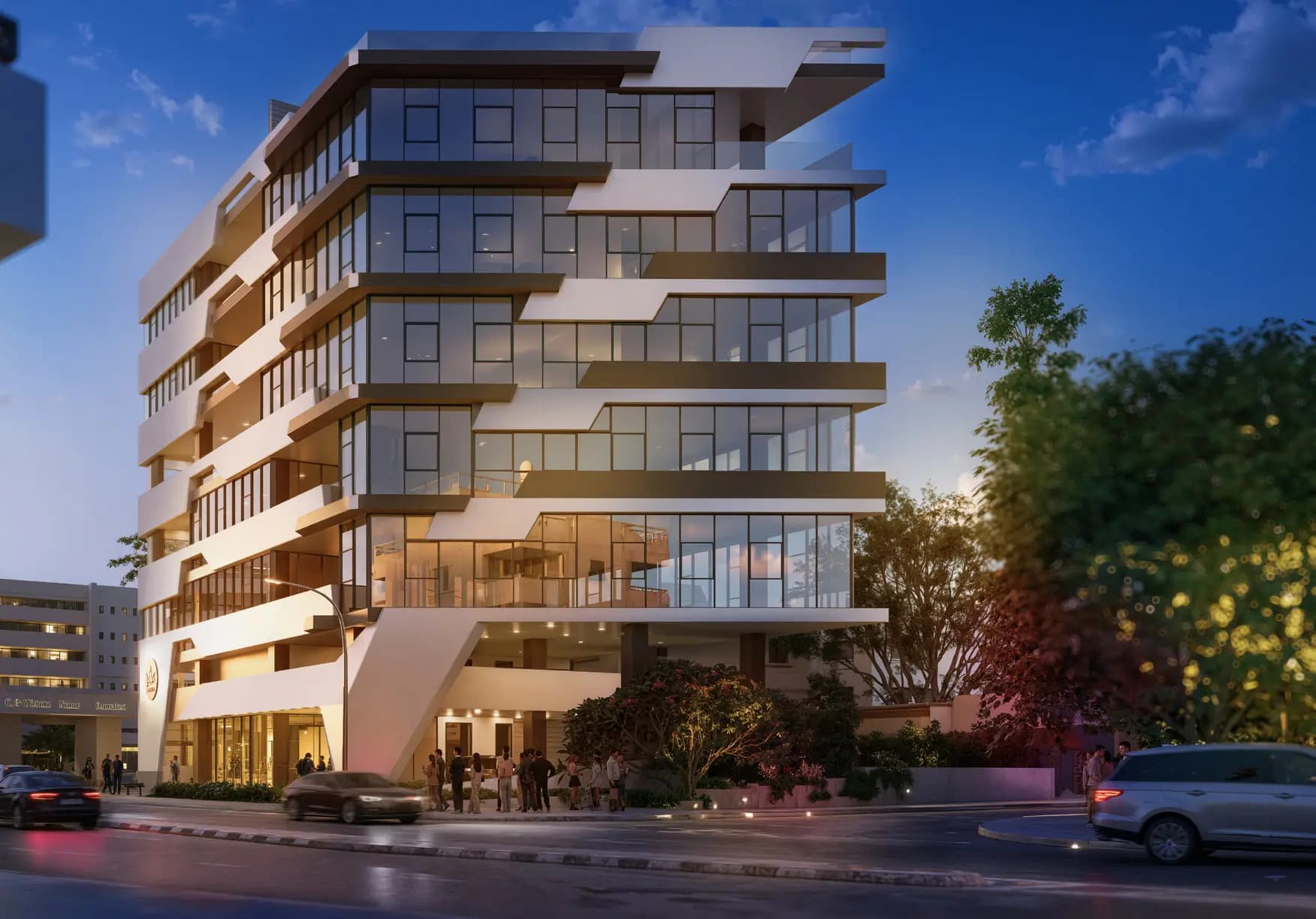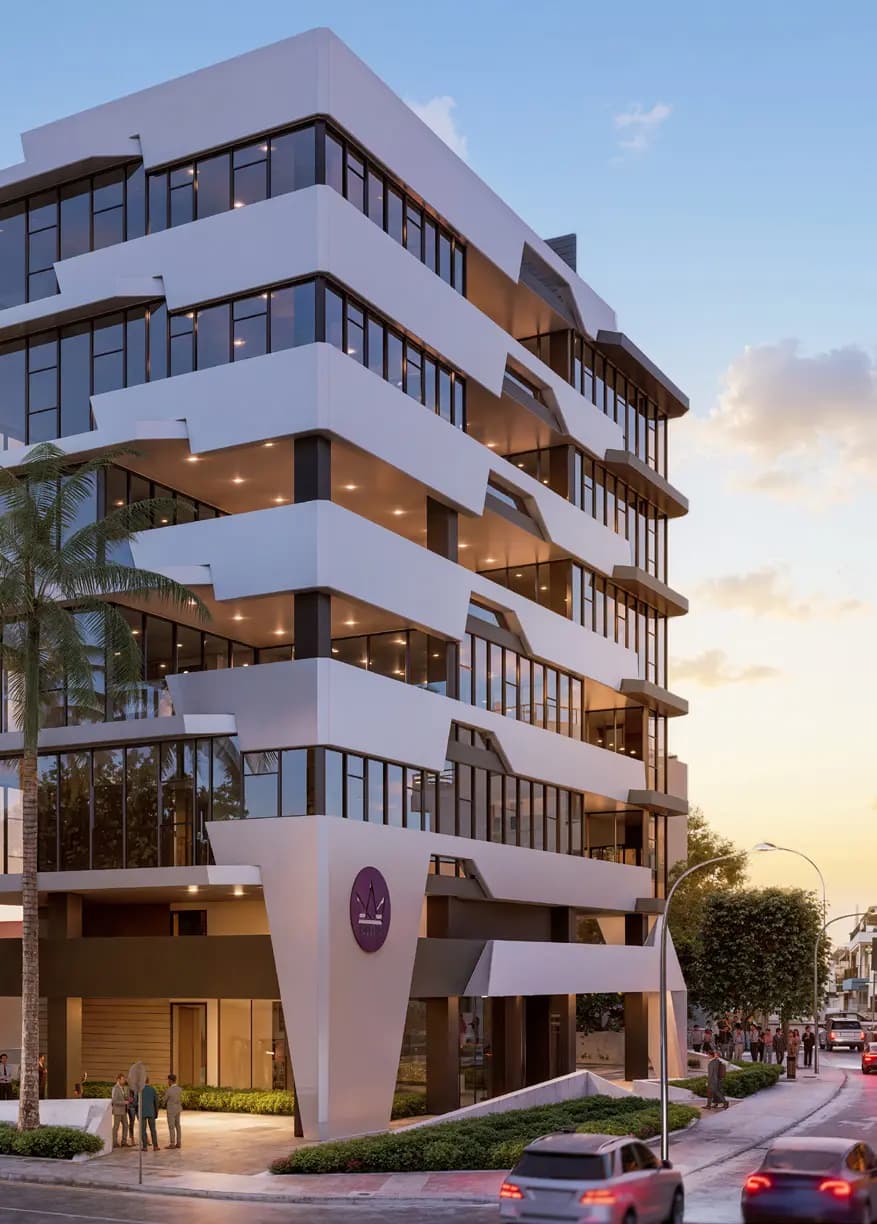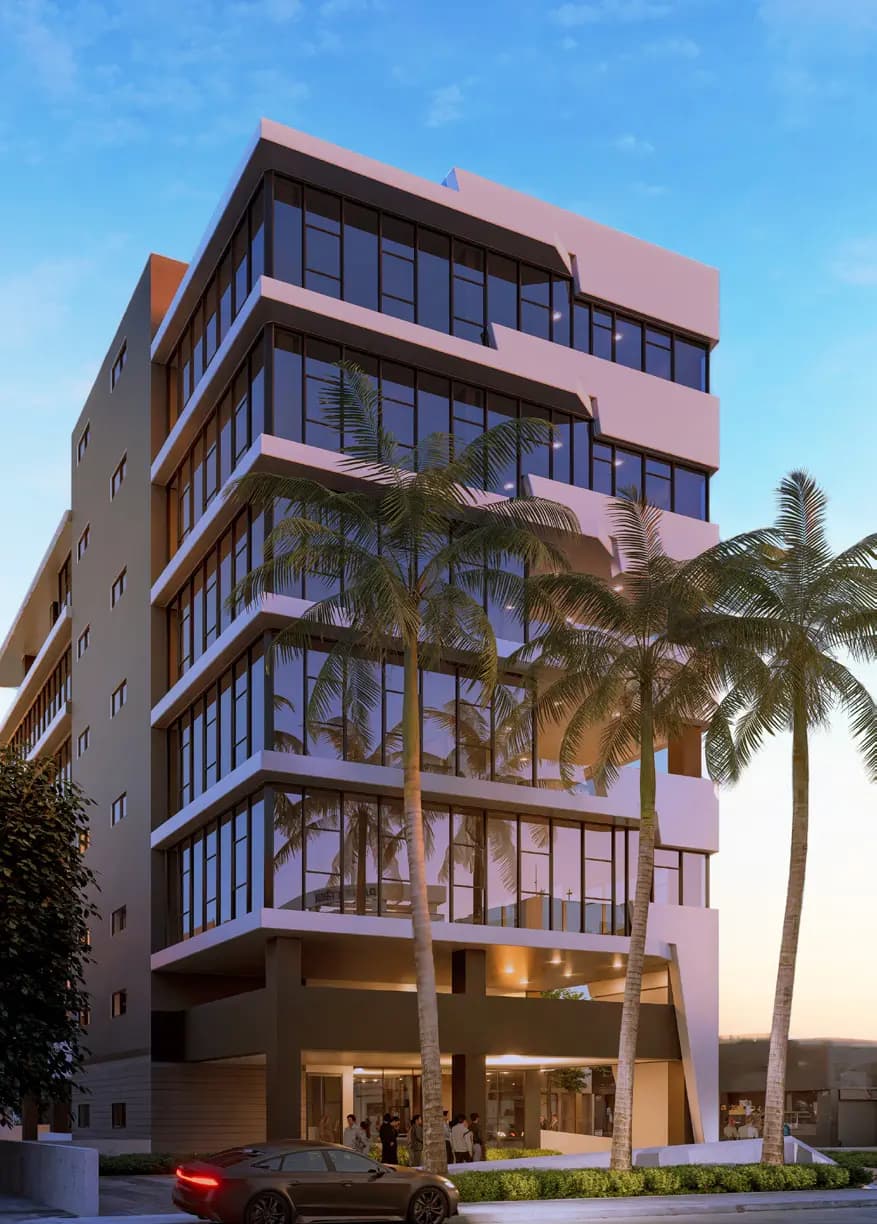
If you need to move in by a fixed date, start with completed homes: both new builds and resales. If you can wait, include properties still under construction, allowing for temporary accommodation and delays. In every case, compare the full amount you need before moving in, the property's condition and its documents. The asking price alone cannot tell you which option to choose.
This article is for buyers choosing a home for themselves in the government-controlled areas of the Republic of Cyprus. Different rules apply in the northern part of the island and the British Sovereign Base Areas.
Compare three options
A completed new build and a home under construction offer different levels of certainty. With the first, you can inspect the actual property. With the second, part of what you are buying still has to be delivered under the contract.
Here, a property under construction means a home bought before building work is complete, including off-plan purchases before work begins. A completed new build is a finished, unused home being sold by the developer for the first time. A resale property is a home being resold by a previous buyer or owner. It may have been lived in, rented out or never used. Check its stage of completion, ownership history, actual use and tax treatment separately.
The resale properties discussed below are completed homes. If a previous buyer is reselling an apartment before construction is finished, check the contract and the property's stage of completion separately.
- What you can assess now. For a property under construction, review the plans, the contractual specification for finishes and equipment, and completed stages of work. In a completed new build, inspect the apartment or house, its finishes and equipment. In a resale, assess its actual condition, including wear, previous renovation and any alterations.
- What determines when you can move in. A property under construction needs building work finished, utilities connected and handover conditions met. For a completed new build, check equipment, connections, what is included and the terms of the transaction. For a resale, also establish when it will be vacated and what work is needed before you move in.
- Whether you can make changes. During construction, this depends on the stage of work, approval and cost. In a completed new build, it depends on which works are permitted after construction. For a resale, consider its condition, structure and whether your proposed alterations are allowed.
- Which costs to clarify. For a property under construction, calculate temporary accommodation, extra work and the cost of fitting out the home. For a completed new build, establish what the price excludes and what those items will cost. For a resale, estimate renovation, equipment and any work to the building's common areas.
- What needs particular attention. During construction, check how the contract defines the finished home and the handover procedure. For a completed new build, verify that what has been built matches the documents and the claimed level of readiness. For a resale, examine condition, alterations and documents, and confirm when it will be vacant.
A home may be physically complete without ownership having been registered in the buyer's name. In Cyprus, the separate ownership certificate for an apartment or house is known as a Title Deed. Depositing the Sale Contract with the Department of Lands and Surveys protects the buyer in the circumstances provided for by law. Verify construction completion through documents and inspection, and registered ownership through the registration record. Read more about transferring ownership and depositing a sale contract.
For example, a finished new apartment without utility connections will not solve an urgent move-in need. A resale with renovation work that has been checked may need less preparation than a new apartment without appliances. The conclusion depends on how ready the particular home actually is.
Put the offers on a comparable basis first
Three two-bedroom apartments do not automatically make a fair comparison. Differences in neighbourhood, internal floor area or parking may explain the price gap better than the age of the building.
Record the following for each offer.
- Location. Note the neighbourhood, surroundings, routes you need and services already available.
- Area. Record internal floor area separately from verandas and common areas. List parking and storage separately too.
- Features. Include the number of bedrooms, floor, lift, orientation, accessibility and condition of the building's common areas.
- Ownership and use. Establish who bought the property previously and whether it has been occupied, rented out or left unused.
- Price. Record the offer date, the price excluding Value Added Tax (VAT), the tax amount and the total price where VAT applies.
- What is included. List the finishes, kitchen, appliances, air conditioning, furniture and connections included in the price, in writing.
- Timing. Record the date from which you can live there and the conditions that must be met first.
- Documents. Note what is registered, who the seller is, whether there are encumbrances and whether a separate Title Deed has been issued.
- Future payments. Record common-area running costs, necessary works and the basis for the estimates.
An advertised 100 m², for example, may include a veranda. If another property's 100 m² refers only to internal floor area, comparing their prices per square metre will be misleading. The area used to assess tax relief is also determined from the property documents; the figure in the listing is no substitute.
If you cannot find directly comparable homes, record the differences in each property's details. You may deliberately choose a smaller apartment closer to a school, but that decision reflects both location and size. It does not establish that resale homes or new builds are better overall.
Calculate how much you need before moving in
Add the taxes and fees applicable to your transaction, professional services, inspections, fitting out, necessary works and temporary accommodation to the property price. Set aside the reserve you want to retain after buying.
Allowing for taxes and fees
VAT makes a substantial difference to the total. The standard rate is 19%; a reduced rate of 5% for a primary and permanent residence applies subject to conditions. Under the general regime, area and value limits apply: the first 130 m² and €350,000, within overall limits of 190 m² and €475,000. Special cases are also provided for. Confirm your eligibility and how the relief applies to the purchase price. See VAT Law 95(I)/2000, sections 17–18 and Schedule 5, Table C.
If you receive the relief and stop using the property as your own residence before ten years have passed, you may have to notify the tax authority and repay part of the VAT relief. Check the consequences and statutory exceptions before changing how you use the home. See the cessation-of-use provision in Schedule 5, Table C of the VAT Law.
Some properties fall under transitional rules linked to planning permission being obtained, or an application for it being submitted, before 31 October 2023. Section 63 separately requires a duly completed declaration for the relief to be submitted within three years of the 2023 amendment taking effect. Amendment 109(I)/2026 allows qualifying applications to be considered until 31 December 2026 where delays by planning authorities prevented their earlier consideration. Extending the consideration period does not, by itself, mean that any new application can be submitted until the end of 2026. Check the declaration submission deadline and eligibility for consideration separately against the history of planning permissions and relief documents. See section 63 of the VAT Law and section 2 of Law 109(I)/2026.
Property transfer fees use progressive rates of 3%, 5% and 8%, with thresholds of €85,000 and €170,000. The Department of Lands and Surveys provides an exemption where VAT applies to the same transaction, and a usual 50% reduction where transfer fees are payable, subject to exceptions. The value used to calculate the fees may differ from the contract price. Confirm the amount in your budget against the transaction documents. See the transfer fee rules.
Stamp duty was abolished from 1 January 2026. For documents signed by at least one party before that date, the Department of Lands and Surveys retains a requirement concerning stamping. Check the signing history if older documents are involved. See section 2 of Law 239(I)/2025 and the sale contract requirements.
What a €350,000 budget needs to cover
Suppose one person buys a home without a mortgage in 2026, with the transaction documents first signed that year. They are choosing between three properties that suit their location and practical requirements. The prices, costs and timelines below are illustrative, to show how to calculate the money needed before moving in.
Both new properties in this example attract 19% VAT on the full price, and the buyer is not eligible for relief. Their transfer fees are zero. The resale attracts no VAT, and transfer fees are calculated on €280,000 with a 50% reduction. We assume that the Department of Lands and Surveys accepts these values for the calculation, and that exceptions to the reduction relating to how the seller acquired the property do not apply. See the transfer fee rules.
In each case, the buyer keeps €10,000 for unforeseen expenses.
- Property under construction. Price excluding VAT: €250,000; VAT: €47,500; transfer fees: €0; services, inspections and other expenses: €3,500; fitting out and work before moving in: €10,000; temporary accommodation for 12 months at €1,200: €14,400; retained reserve: €10,000. Total to allow for: €335,400. Unallocated balance from €350,000: €14,600.
- Completed new build. Price excluding VAT: €270,000; VAT: €51,300; transfer fees: €0; services, inspections and other expenses: €3,500; fitting out and work before moving in: €10,000; temporary accommodation for one month at €1,200: €1,200; retained reserve: €10,000. Total to allow for: €346,000. Unallocated balance from €350,000: €4,000.
- Resale property. Price: €280,000; VAT: €0; transfer fees: €7,800; services, inspections and other expenses: €3,500; fitting out and work before moving in: €35,000; temporary accommodation for three months at €1,200: €3,600; retained reserve: €10,000. Total to allow for: €339,900. Unallocated balance from €350,000: €10,100.
The €3,500 is an illustrative combined allowance for services, inspections, filing documents and minor related expenses, including taxes. It is not a lawyer's fee quotation. Necessary connections are included in the fitting-out and works budget. The €10,000 reserve stays with the buyer: it is included in the budget but is not treated as money spent.
The resale transfer fee calculation is:
(€85,000 × 3% + €85,000 × 5% + €110,000 × 8%) × 50% = €7,800.
In this example, the property under construction costs €23,800 less than the completed new build when VAT is included. But temporary rent costs €13,200 more, narrowing the gap in the total needed before moving in to €10,600. This option leaves more money unallocated in exchange for a longer wait. The resale price is lower than the VAT-inclusive prices of both new properties, but transfer fees and works absorb part of the difference: its total comes to €339,900.
Change the costs and the result changes. An extra €15,000 of renovation takes the resale budget to €354,900, above the limit. If the 50% transfer fee reduction does not apply, fees on the same value are €15,600, an increase of €7,800. Confirmed VAT relief on a new home also calls for a fresh calculation.
If eligibility for 5% VAT on the full price is separately confirmed, with all other assumptions unchanged, the budget for the property under construction falls to €300,400, and for the completed new build to €308,200. Partial relief needs its own calculation. The buyer in the main example has no such relief.
These figures exclude borrowing, currency exchange, annual running costs, a future sale and the return the money might earn if used elsewhere. If you take a mortgage, add arrangement costs, insurance and interest on amounts drawn down. A refundable rental deposit also increases the cash you need available. Prepare a payment schedule alongside the overall budget. Even if the total is affordable, check that enough money will be available on every payment date.
When the family arrives on time but the home is delayed
Imagine a family arriving in the city on 1 September 2027. Their purchased home is expected to be ready to live in on 1 September 2028, so they budget for 12 months of temporary rent. If the move-in date slips to 1 March 2029, they will need another six months of rent.
At the same €1,200 monthly rent, plus an assumed €1,500 for storage and moving, the delay costs:
6 × €1,200 + €1,500 = €8,700.
The total rises from €335,400 to €344,100, leaving €5,900 unallocated. The €10,000 reserve remains intact.
A 12-month delay, to 1 September 2029, with the same €1,500 extra cost, brings the total to €351,300. The family would be €1,300 short if it wanted to keep the reserve. At these costs, the unallocated balance covers ten full extra months of rent after storage and moving:
(€14,600 − €1,500) / €1,200 = 10.92 months.
However, the saving over the completed new build disappears before the family exhausts its budget. In this illustrative example, the original gap is €10,600. An eight-month delay, at the same €1,200 rent and with the same €1,500 for storage and moving, gives:
€335,400 + 8 × €1,200 + €1,500 = €346,500.
That is €500 more than the €346,000 needed for the completed new build, even though it is still within the €350,000 limit. With all other costs unchanged, seven extra months of rent preserve a small saving; eight do not. Staying within budget and remaining the cheaper option are different tests.
No compensation for delay is included. Its legal or contractual basis, amount and recoverability need separate checks. The decision requires two dates: when the family must arrive and when the purchased home will actually be available to live in. If temporary accommodation cannot be arranged, buying during construction will not meet your needs, however attractive the price.
Check each property's documents and condition
Before paying a deposit, ask an independent lawyer to check the seller, exactly what is being sold, encumbrances and the terms of subsequent payments. Ask an engineer to assess the elements available for inspection and the likely scope of work. For a property under construction, some technical checks must take place later; agree access and inspection arrangements in advance.
All three options need the following checks.
- Seller, property and encumbrances. During construction, check rights to the land, how the future apartment or house is identified in the plans, and handover terms. For a completed new build, establish whether the built property matches the documents and whether a separate Title Deed has been issued; if not, find out why. For a resale, check exactly what is registered, whether there is a separate Title Deed, any restrictions and how alterations have been documented. The lawyer should provide written findings based on current documents.
- Permissions and compliance. During construction, establish which permissions have been obtained and which stages remain. For a completed new build, check documents confirming construction completion and that the home can be used. For a resale, establish whether extensions or layout changes have been made and how they were documented. The lawyer and engineer should list the documents and any discrepancies found.
- What is included. During construction, review the contractual specification for finishes and equipment and any agreed changes. In a completed new build, check finishes and equipment against that specification. In a resale, record which items will remain and their condition. The buyer's inspection with the engineer should result in a signed list of included and missing items.
- Technical condition. During construction, inspect the work that is accessible at each stage and arrange a final inspection. In a completed new build, look for defects in finishes and test equipment. In a resale, assess wear, damp, building services and structural condition. The engineer should prepare a report, a list of defects and an estimate for necessary works.
- Common areas. During construction, establish what is still being built and how future charges have been calculated. In a completed new build, check whether the lift works, shared spaces are accessible and services promised in the contract are being provided. For a resale, examine the building's condition and planned communal works. Request documents and a budget from the manager, and an assessment of condition and necessary works from the engineer.
- Readiness to move in. During construction, clarify the conditions and target date for handover. In a completed new build, check connections, access, unfinished work and equipment. For a resale, establish when it will be vacant and what needs doing before you move in. The seller should set out the readiness conditions in writing, while the lawyer and engineer check the documents and physical condition.
- Putting defects right. During construction, review the procedure for reporting defects and the contractual obligations. For a completed new build, clarify who is responsible, deadlines and the conditions for making claims. For a resale, check the terms offered by the seller and any contractors involved. The lawyer should establish how to require defects to be remedied, and the engineer should check that the work has been done.
The documents needed depend on the property. For contracts concluded after 12 December 2023, the seller includes a Search Certificate covering encumbrances and prohibitions as an integral part of the contract. Department of Lands and Surveys rules require the certificate to be dated within five working days of the contract date. Ask your lawyer to check its date and contents. See the sale contract deposit rules.
Give each significant issue its own entry: what was found and where → photographs and the specialist's findings → urgency → who will fix it → cost → deadline → evidence of completion. If the building's condition or the process for registering ownership remains unclear, obtain a specialist's assessment and consider the consequences first. Do not withhold a payment on your own initiative without checking the contractual basis.
Comparing running costs
Ask for the Energy Performance Certificate, which gives a calculated assessment of the building's energy requirements. On a sale, it must be shown to the buyer and handed over, subject to the exceptions in the rules. To estimate your own costs, also consider floor area, equipment and usual electricity consumption. See the Ministry of Energy, Commerce and Industry guidance.
Compare floor area, installed equipment, patterns of use, available bills and common-area charges. For a property under construction, distinguish design information from what still needs checking after completion. A projected budget for a new development also offers a different level of certainty from verified costs in an operating building.
A new apartment with a pool and extensive shared facilities may carry higher communal charges than a renovated resale in a simpler building. Electricity savings alone do not establish the total running cost.
Let your main constraint guide the choice
First eliminate homes that do not meet your requirements for documents, available funds or move-in timing. Among the remaining options, weigh up the layout, finishes and how much work you are willing to organise.
- You need to move in by a fixed date. Start with completed new builds and resales whose availability is confirmed. If a home is occupied or needs lengthy works, a finished building does not resolve the timing problem. Consider construction-stage purchases with a separate temporary accommodation plan.
- No one can organise renovation. Look for homes with written confirmation of what is included and little preparation required. Compare the actual work involved: a renovated resale may take less effort than a new apartment without equipment.
- You want to choose the finishes and can wait. Consider homes under construction where your proposed changes are allowed and priced. Clarify this before choosing: options may be limited at a late stage, and extra work and fitting out can exceed the budget.
- Predictable running costs matter. Compare energy performance certificates, equipment and common-area costs. Total bills depend on energy use and servicing costs: a modern development with expensive services may cost more to run than a simpler building.
- The resale you like has no separate Title Deed. First establish why and how ownership would be registered in your name. Unresolved issues may change the timing and cost or rule the property out.
If you are buying to let, calculate costs for that use. Include relief for a primary and permanent residence only where eligibility is confirmed. Calculate returns using the purchase price, rental income and running costs.
Request three written offers answering the same questions. Add an estimate for preparing each home, a temporary accommodation budget, a payment schedule and the findings from checks. You can choose once the total amount, move-in conditions and unresolved issues are clear.