Cyprus plans to build 460 homes on state land and make them available at affordable rents. The €70 million project covers the districts of Nicosia, Limassol, Larnaca and Paphos. Construction is scheduled to begin in December 2027 and finish in April 2031.
For tenants, the immediate questions are when these homes will become available and who will qualify. The government has announced the scale of the programme, the areas involved and the planned timetable. Access to an individual home will depend on the selection criteria and allocation process. Progress at each site needs to be assessed through its design documents, permits, signed contracts and construction work.
What the Interior Ministry budget for 2027 covers
On 9 November 2026, the Cyprus Ministry of Interior presented its proposed €780 million budget for 2027 to a parliamentary committee. It covers housing policy, local government, support for displaced people, rural development, public services and civil protection. Housing measures account for part of this spending.
The budget allocates €32.5 million to housing schemes in 2027. A broader measure of public resources for housing policy exceeds €70 million: alongside budget allocations, it includes expected revenue from planning mechanisms and the value of plots intended for families. The components are set out in the official presentation of the Interior Ministry budget.
The 460-home construction programme has its own announced budget of €70 million for the entire project. Assessing expenditure in 2027 requires an annual breakdown. These figures therefore describe three different things: the ministry's total spending, annual resources for housing policy and the cost of a particular construction programme over several years.
Keeping these categories separate makes funding announcements easier to interpret. The value of land transferred to families, for example, represents a state contribution in the form of an asset. Construction allocations represent money intended to pay for works. Each resource needs to be assessed according to its purpose.
Where the 460 homes are planned
State land across four districts
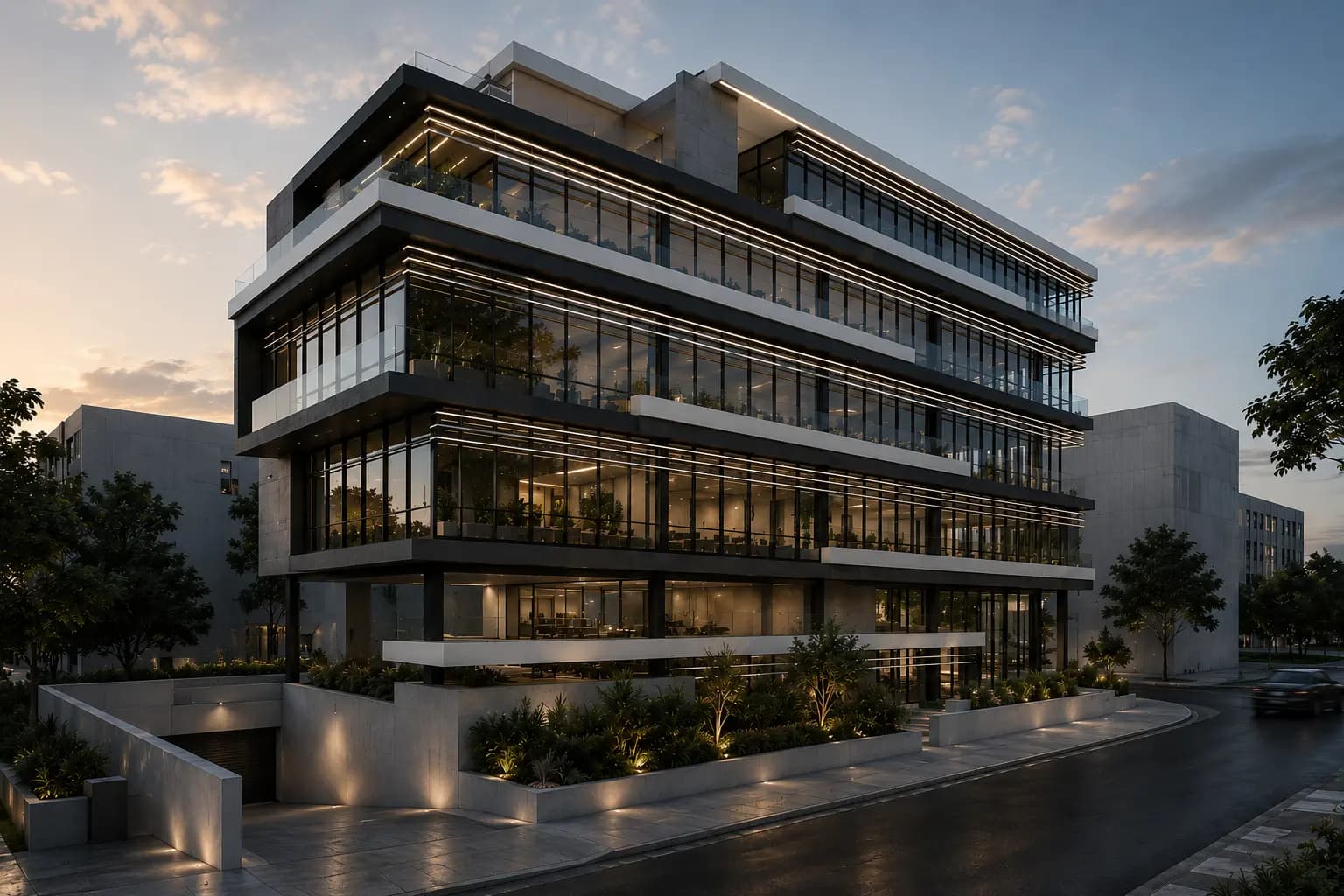
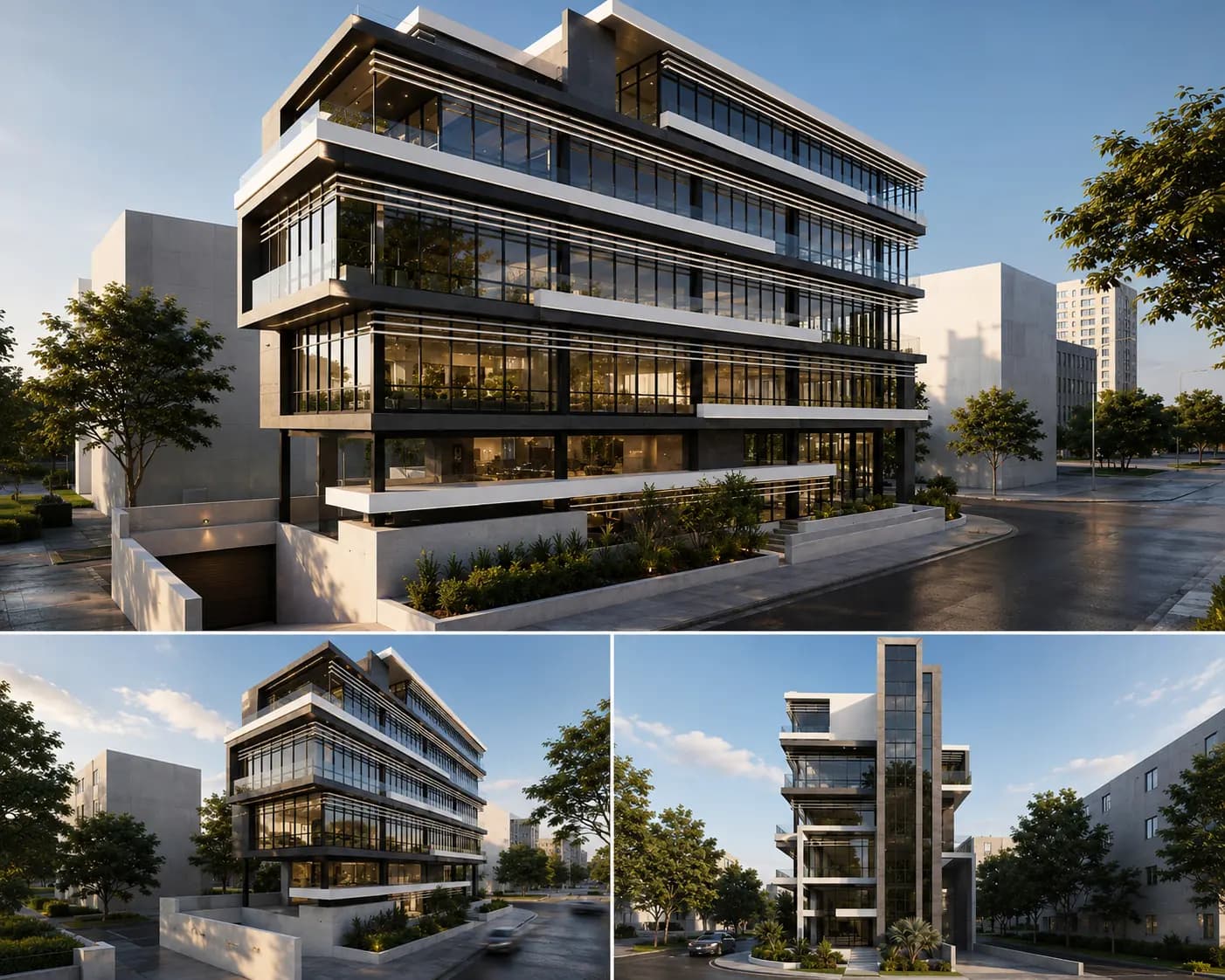
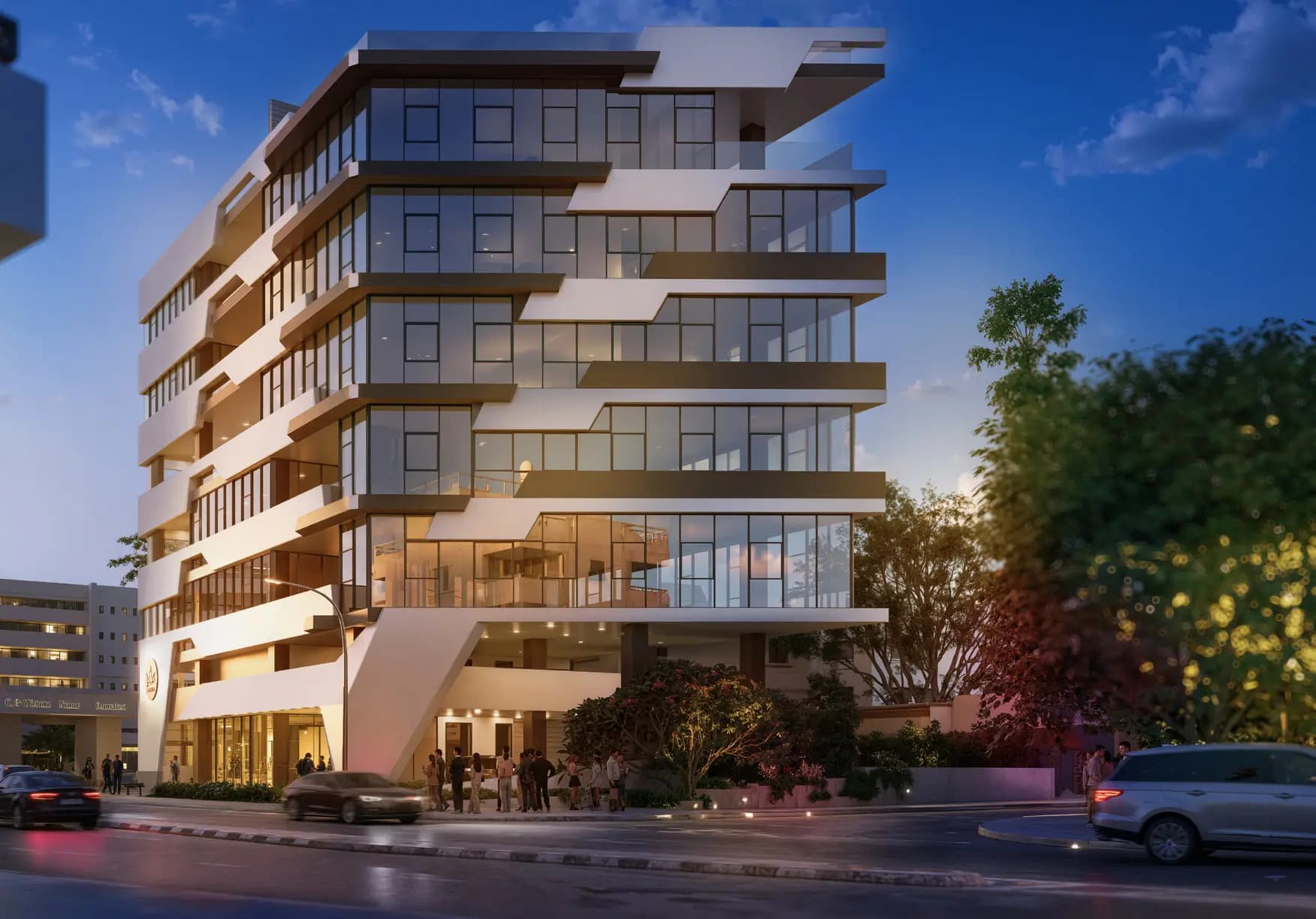
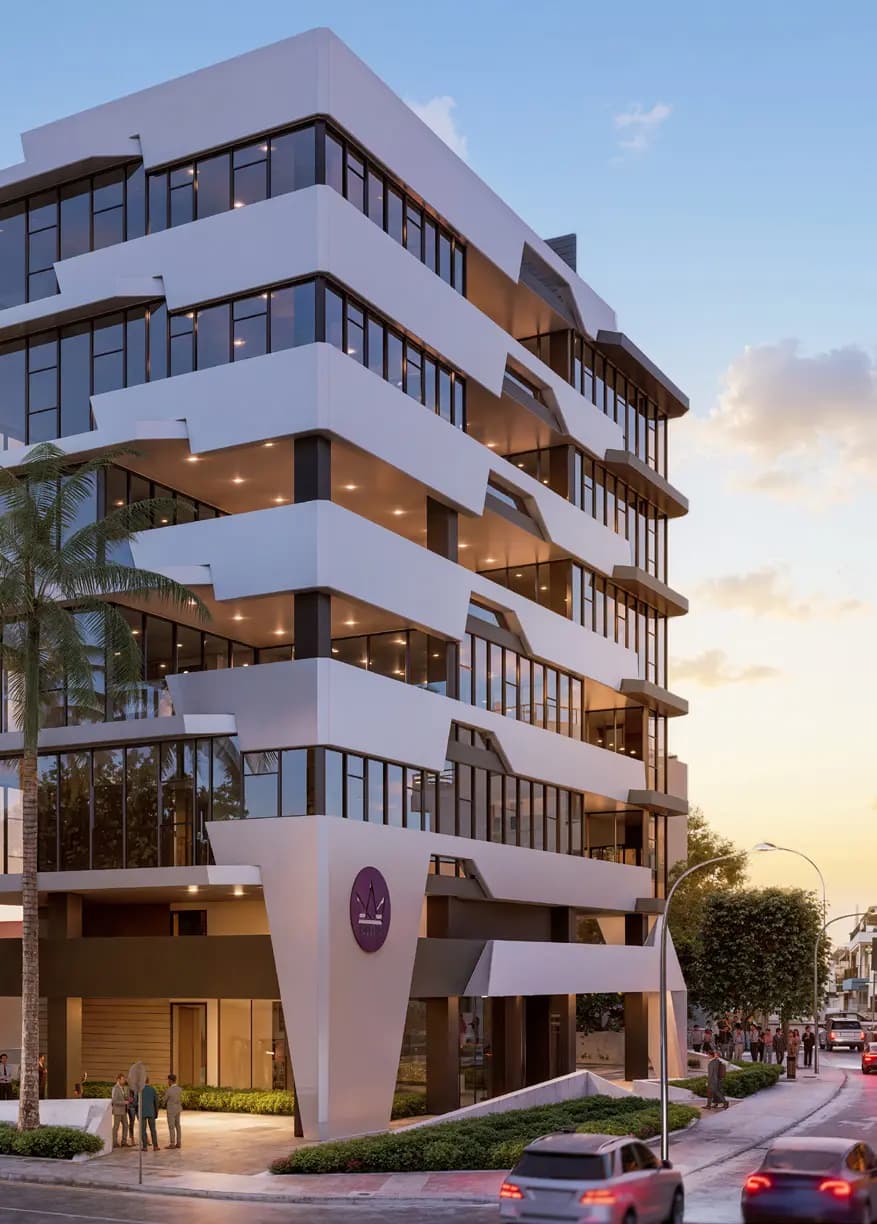
The programme will use state-owned sites in four districts. In his speech at the architectural awards ceremony, the minister named the municipalities of Latsia–Geri in Nicosia district, Aradippou in Larnaca district, Kourion in Limassol district and Ierokipia in Paphos district. The government intends to use its land to increase the supply of rental housing.
The announced total of 460 refers to housing units: individual homes, which may include flats and houses. The municipalities have been identified; details of the plots, number of buildings, storeys and distribution of homes need to be checked in the project documents. These details will help prospective tenants assess locations and suitable layouts.
Awards for the programme's architectural competition were presented in 2026, marking a completed stage in the preparation of designs. The total number of homes and the four districts are listed in the government announcement of the competition results.
Project budget and timetable
According to the ministry's announcement of 9 November 2026, construction is scheduled to start in December 2027 and finish in April 2031. European co-financing is also being pursued for the project.
This timetable sets the planned construction period. Handover dates for individual homes will depend on progress and the formal steps required to make them ready for use. For someone planning a move, the relevant date is when they can take up occupancy. That should be checked in the allocation terms for the particular home.
The amount and conditions of any European contribution need to be established from the project's funding documents. The key details are the sum available, eligible expenditure and the process for releasing funds. Signed contracts establish the cost and timing of construction works.
Who the homes are intended for and what tenants need to check
The government links the programme to support for young people, young families and citizens on low and middle incomes. These groups are named in the minister's speech on affordable housing on state land.
To assess eligibility, prospective applicants need the current rules for this particular programme. They should check the application and allocation process, including any requirements concerning income, residence in Cyprus and ownership of other property. Before deciding whether to take part, they also need to establish the rent, tenancy length and rules for reviewing payments. Together, these terms help a household assess whether it can qualify for the programme and afford the rent and associated payments.
Consider a family renting a flat in Larnaca and looking at the state programme as a possible next home. Their first step is to check the eligibility criteria, which determine whether they can access the programme. Next come the address, floor area and number of bedrooms. They can then compare the monthly rent with their current payments, adding any compulsory charges under the new agreement and travel costs. Finally, they need a move-in date to decide whether to renew their existing tenancy.
Until eligibility and occupancy dates have been checked, the family can treat the programme as a possible future option. If they need to move now, they will need to compare homes currently available and account for the remaining term of their tenancy.
Plans for Engomi and the SOPAZ site
Philenews reports that the Interior Ministry budget presentation included plans to advance two Nicosia projects in 2027: turning the former State Fair site in Engomi into a park and developing the SOPAZ facilities as a conference and exhibition centre. The report cites the interior minister's statement on cooperation with Nicosia Municipality. See the report on the two projects.
Earlier municipal plans provide further context. A Nicosia Municipality announcement dated 15 June 2026 describes a large urban park at the former State Fair site and the development of SOPAZ as a space for entrepreneurship, innovation, education and community activities.
For Engomi residents, the park's practical value will depend on access: entrances, walking routes, green areas and connections to surrounding neighbourhoods. Around SOPAZ, the important considerations include the site's future uses, transport arrangements and the proximity of public and commercial facilities.
The stated target for 2027 concerns progress on the plans. Details of the conference and exhibition facilities, the operator, opening date and permit status need to be checked in each project's documents. Advancing plans, starting construction and opening facilities to visitors are separate stages, with dates established through approved schedules and contracts.
These urban initiatives have their own scope and objectives. They should be considered separately from the programme of 460 affordable rental homes.
The approvals and decisions needed before tenants can move in
An architectural competition provides designs. A site's readiness for construction is assessed through the applicable permits and signed contracts. The following is a general outline of the process; the current status of each site must be established from its own documents.
Under the standard procedure, planning permission concerns the development allowed on a plot, including its use and building parameters. The approvals required depend on the project. Some projects need an Environmental Impact Assessment, a transport study or other specialist documentation. These requirements are described in the official guide to the planning permission process.
The next separate document is a building permit. Applications follow the prescribed procedure and require design and technical documents. The general process and documentation requirements are set out on the government portal for applicants.
The procurement stage can be checked through the tender notice, contract award decision and signed contract. These documents establish the scope of works, cost and contractor's obligations. An announcement that the architectural competition has concluded and an announcement that a construction contract has been signed therefore mark different stages of delivery.
Prospective tenants should look for application procedures and the required documents in the official allocation rules for this programme. Other housing schemes have their own conditions; access to the homes on state land will depend on this project's rules.
What the project could mean for the rental market
If delivered, the programme will add homes at affordable rents across four districts. The households allocated these properties will benefit directly. The wider effect on the local rental market will depend on where the sites are, how many homes each area receives and how quickly they become available.
The same number of new flats can have different effects in different places. Where they represent a substantial share of local supply and offer the space and locations families need, tenants may see a more noticeable increase in choice. In a large and varied market, the outcome also depends on demand and the completion of other developments.
Two measures will help assess the programme's results: the number of homes actually handed over to tenants and the full cost of living in them. The first measures the increase in affordable housing stock. The second helps households calculate potential savings against comparable homes on the open market. Rent comparisons should use properties of similar size, condition and location, with the same set of compulsory charges included.
The effects of new public spaces in Engomi and SOPAZ will also depend on how the projects are delivered. For neighbouring areas, access to green space, new jobs and changes in traffic will matter. Households should assess these changes in relation to the location of their home and their everyday journeys.